Florida nursery standards
Quality & grading
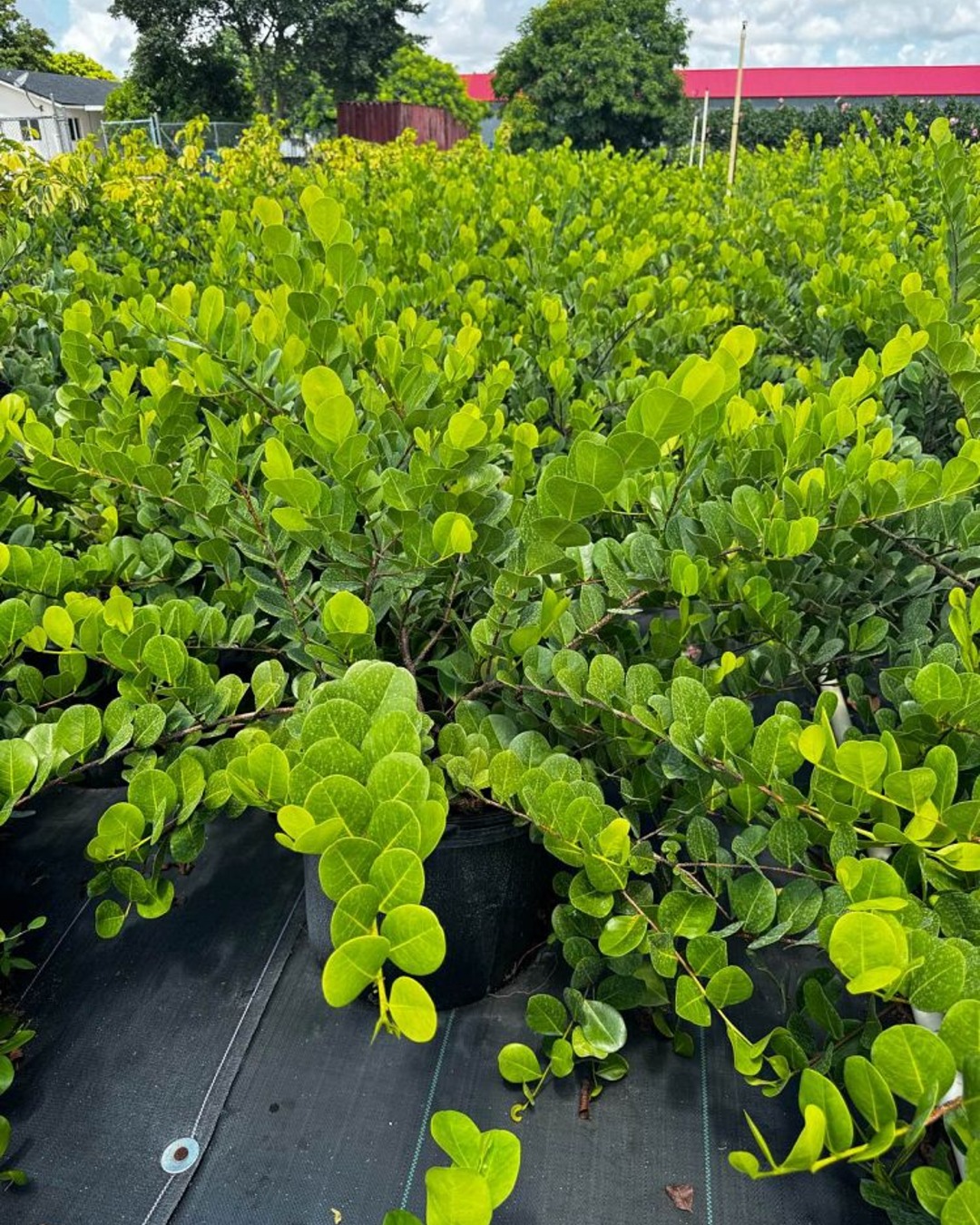
Sage recommends nursery material graded Florida No. 1 or better. The grade describes plant quality—not merely size—and should be verified together with the specified height, spread, clear trunk or container size.
- Specify true-to-type ‘Horizontal’ propagated from low, running lateral stems; seed-grown plants may not retain the desired habit.
- Choose full, low-branched material with flexible lateral growth rather than upright shoots dominating the plant.
- Inspect the root ball for circling roots and verify that the plant is firmly established in the container.
- Reject plants with sparse centers, severe root defects, active scale, stem cankers or repeated hard top-shearing.
Installation guide
Planting for establishment
- Reserve broad planting areas, slopes or medians; low height does not mean narrow spread.
- Space according to the desired coverage rate and mature width, accepting that a durable mass may take several seasons to close.
- Set the first major roots at or slightly above finished grade and correct defective outer roots before backfilling.
- Use where an open waterfront view, low roadside sight line or layered coastal ground plane should be preserved.
Final planting depth, root-ball preparation, staking and irrigation should respond to the actual root system, soil, drainage and exposure observed on site.
Ongoing care
Water & fertilizer
Irrigation
Water the complete root ball and surrounding soil consistently during establishment, then taper to deep, infrequent irrigation. Established plants tolerate drought, salt air and seasonal freshwater inundation, but new roots are vulnerable to chronically saturated soil.
Fertilization
Nutritional demand is low. Apply a modest slow-release landscape fertilizer with micronutrients only when young plants need establishment support or diagnosed deficiencies are present. Avoid routine high-nitrogen feeding that encourages upright, pruning-intensive shoots.
Correct technique
Pruning & trimming
- Remove or reduce shoots that turn strongly upright to reinforce the lateral habit and encourage denser tip growth.
- Maintain groundcover masses at approximately 18–24 inches when visibility is important, or allow a taller informal coastal hedge.
- Use selective pruning rather than repeatedly shearing the entire top surface.
- Allow enough time for lateral stems to knit together; severe early trimming can delay coverage.
Monitor before treating
Known pests & problems
Lobate lac scale and scale insects
Inspect stems and leaf undersides when vigor declines. Confirm the pest and correct irrigation or root stress as part of management.
Root stress
Newly planted material may develop root rot in saturated soil even though established plants tolerate seasonal freshwater flooding.
Algal leaf spot and canker
Increase airflow, avoid excessive overhead irrigation and diagnose persistent spotting or branch dieback before treatment.
Symptoms often overlap. Confirm the cause before applying pesticides or fertilizer, and always follow the product label.
Landscape application
Design guidance
Recommended uses
Compatible pairings
Important cautions
- ‘Horizontal’ is a spreading coastal cultivar, not a dwarf plant; plan for six to ten feet or more of lateral growth.
- It may take several years to form a dense groundcover even with proper establishment irrigation.
- High aerosol salt tolerance does not make repeated saltwater flooding harmless.
- Cold injury can begin near 32°F, with severe leaf and stem damage around 28°F.
Sage professional observationHorizontal Cocoplum is our choice when the design needs a durable native coastal layer without sacrificing a view. Its strength is breadth, texture and resilience—not instant coverage—so we give it room and manage the occasional upright shoot instead of forcing it into a clipped box.
Reference framework
Standards & sources
Profile guidance is informed by the Florida Department of Agriculture and Consumer Services’ Grades and Standards for Nursery Plants, University of Florida IFAS horticultural guidance and Sage’s regional landscape experience.
Site conditions, product labels and professional diagnosis govern the final recommendation.