Florida nursery standards
Quality & grading
Sage recommends nursery material graded Florida No. 1 or better. The grade describes plant quality—not merely size—and should be verified together with the specified height, spread, clear trunk or container size.
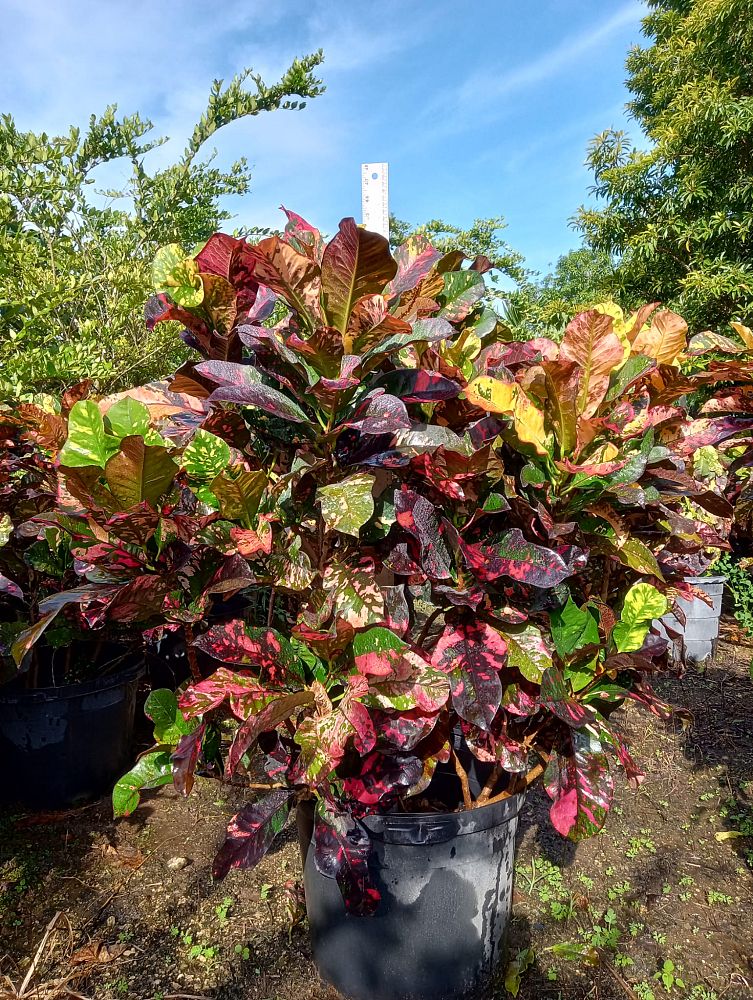
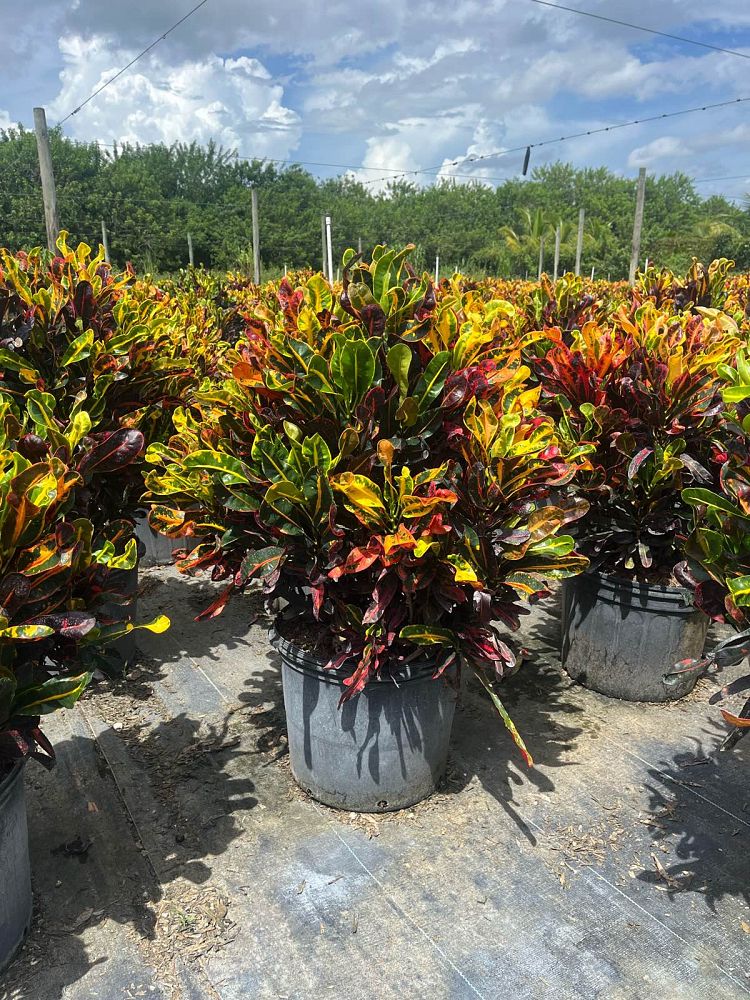
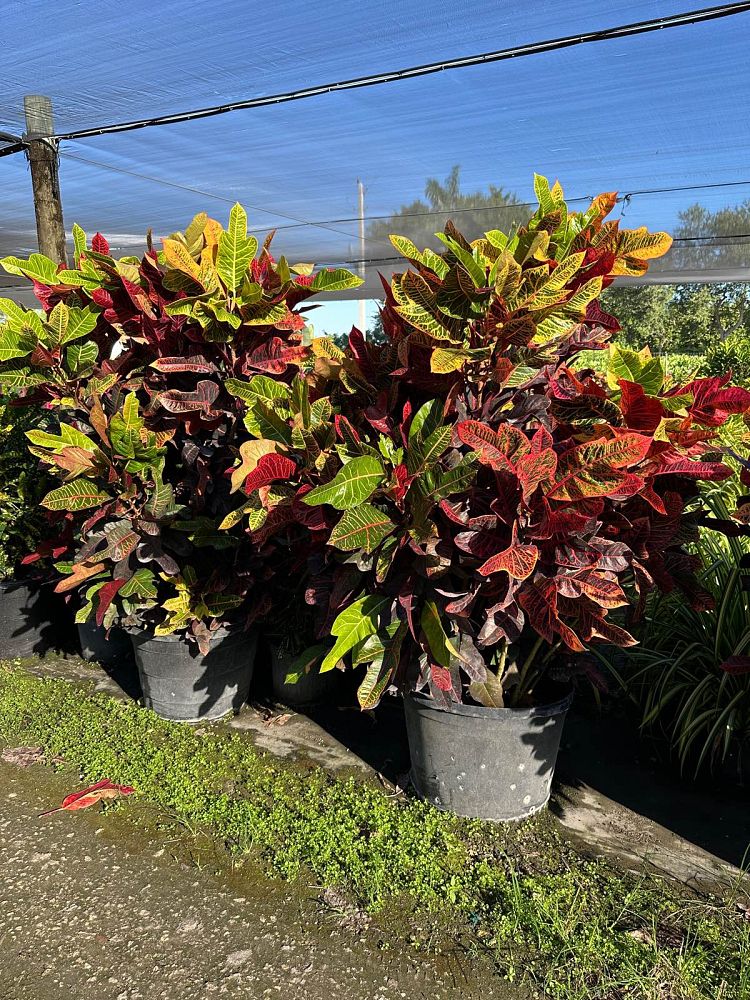
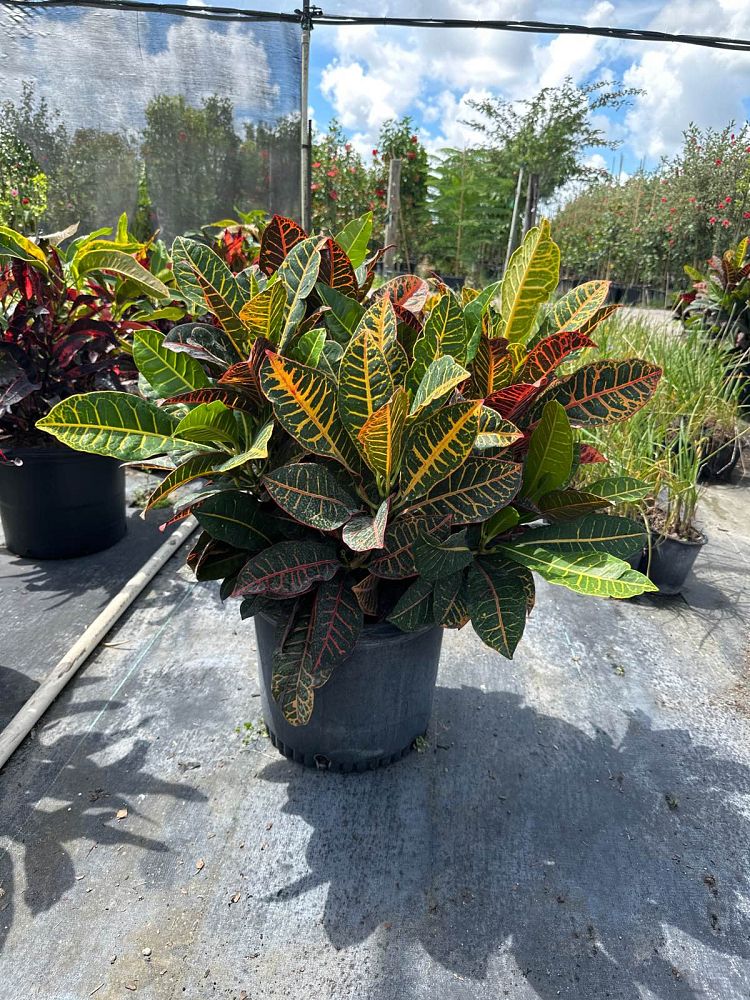
- Choose a full, evenly branched plant whose broad oval leaves with prominent veins match the intended cultivar and show active, undistorted new growth.
- Inspect stems, growing tips and both leaf surfaces for scale, mealybugs, mites, thrips, sticky honeydew or black sooty mold.
- Reject plants with a loose root ball, sour saturated medium, extensive leaf drop, stem dieback or symptoms inconsistent with ordinary transplant stress.
- Compare color in the nursery exposure with the intended site; shade-grown material may be greener and requires staged acclimation before stronger sun.
Installation guide
Planting for establishment
- Place in full sun or part shade with shelter from persistent salt-laden wind; this cultivar’s sunlight-tolerance indicator is high.
- Plant at the original nursery depth in amended, well-drained soil and keep mulch several inches away from the stems.
- Allow room for the listed mature spread and keep foliage away from narrow walks because broken stems release irritating milky sap.
- Acclimate gradually when moving from shade cloth into direct sun, adding exposure over several weeks rather than changing conditions in one day.
Final planting depth, root-ball preparation, staking and irrigation should respond to the actual root system, soil, drainage and exposure observed on site.
Ongoing care
Water & fertilizer
Irrigation
Moisture tolerance is moderate. Water the complete root ball and adjacent soil consistently during establishment, then allow the upper soil to begin drying between deep applications. Crotons perform poorly at either extreme: prolonged drought causes wilting, leaf scorch and drop, while chronically saturated soil restricts oxygen and favors root decline. Adjust irrigation to rainfall, soil texture, container volume and seasonal evapotranspiration rather than using a fixed daily schedule.
Fertilization
Use a conservative controlled-release landscape fertilizer with complete micronutrients only when growth, soil testing or visible deficiency indicates need, following the label and local seasonal restrictions. Excess nitrogen can produce soft green growth with weaker color and greater pest susceptibility. Maintain organic mulch over the root zone without burying stems, and correct irrigation or root problems before assuming yellow foliage requires fertilizer.
Correct technique
Pruning & trimming
- Tip-prune selectively during warm active growth to encourage branching and preserve the cultivar’s natural leaf texture.
- Remove dead, damaged or crossing stems with clean tools; avoid repeated box shearing that creates a thin exterior shell and bare interior.
- Wear gloves and eye protection because the milky latex sap can irritate skin and eyes, and keep cut material away from children and pets.
- Delay major pruning after cold injury until live tissue and the risk of additional frost can be evaluated.
Monitor before treating
Known pests & problems
Scale insects and mealybugs
Look for attached bumps, white cottony masses, honeydew and sooty mold. Isolate container plants, prune heavily infested tissue, wash small populations and use labeled horticultural oil or insecticidal soap with complete coverage; systemic options require label review and pollinator precautions.
Spider mites and thrips
Stippling, bronzing, distorted new leaves, webbing or dark fecal specks warrant close inspection. Improve moisture balance, avoid broad-spectrum disruption of predators and use a product specifically labeled for the confirmed pest and ornamental site.
Root rot and stem decline
Persistent wilt, yellowing, leaf drop or soft roots can follow saturated soil and poor drainage. Correct the water and oxygen problem, remove irreversibly decayed material and use a labeled fungicide only after diagnosis.
Cold, sun and salt injury
Bleaching, crisp margins or rapid leaf drop often reflect abrupt sun exposure, drought, cold or salt-laden wind rather than infection. Compare the damage pattern with recent weather and irrigation before treating.
Symptoms often overlap. Confirm the cause before applying pesticides or fertilizer, and always follow the product label.
Landscape application
Design guidance
Recommended uses
Compatible pairings
Important cautions
- Croton sap is irritating and the plant is toxic if eaten; use care around children, pets and pruning crews.
- A high sunlight-tolerance rating assumes an established, properly acclimated plant with adequate root-zone moisture—not an abrupt move from nursery shade.
- Moderate moisture tolerance means even moisture with drainage, not permanent wetness; raised planting may be needed in compacted or seasonally saturated soils.
- Foliage can be damaged by frost, cold wind and exposed coastal conditions; use protected microclimates near the cooler edge of its range.
Sage professional observationPetra Croton earns its place through broad oval leaves with prominent veins rather than color alone. We use it as a dependable formal mass or high-contrast foundation layer, then coordinate exposure and irrigation so the foliage can mature into its characteristic green traced with yellow, orange and red.
Reference framework
Standards & sources
Profile guidance is informed by the Florida Department of Agriculture and Consumer Services’ Grades and Standards for Nursery Plants, University of Florida IFAS horticultural guidance and Sage’s regional landscape experience.
Site conditions, product labels and professional diagnosis govern the final recommendation.