Florida nursery standards
Quality & grading
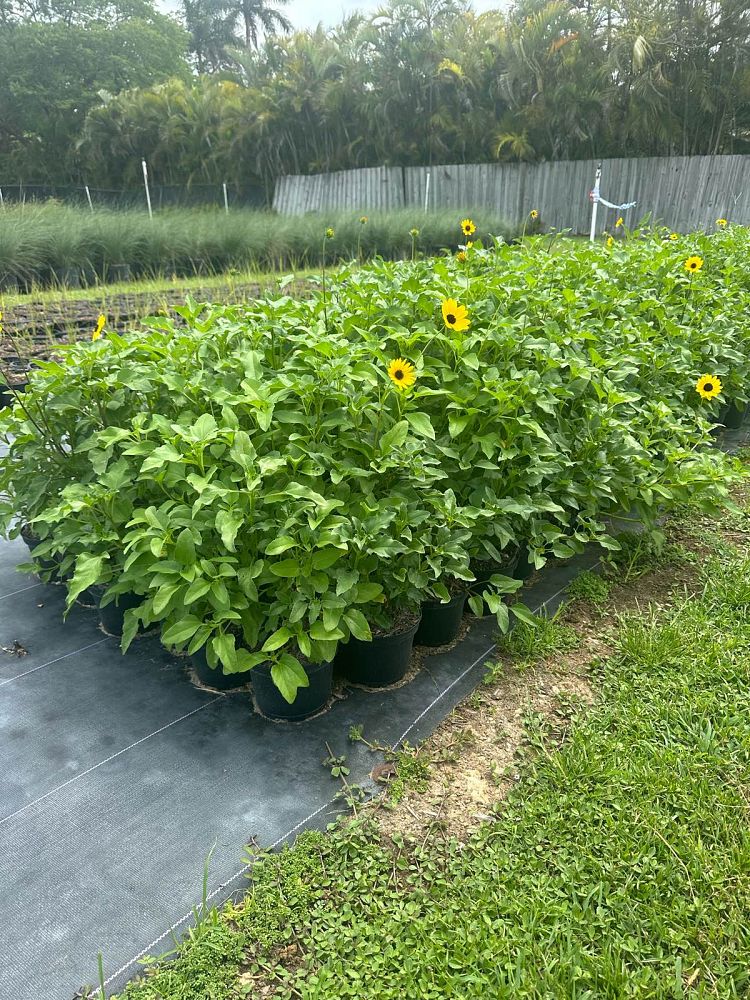
Sage recommends nursery material graded Florida No. 1 or better. The grade describes plant quality—not merely size—and should be verified together with the specified height, spread, clear trunk or container size.
- Choose compact, well-branched plants with clean foliage, active tips and a root ball that holds together without severe circling.
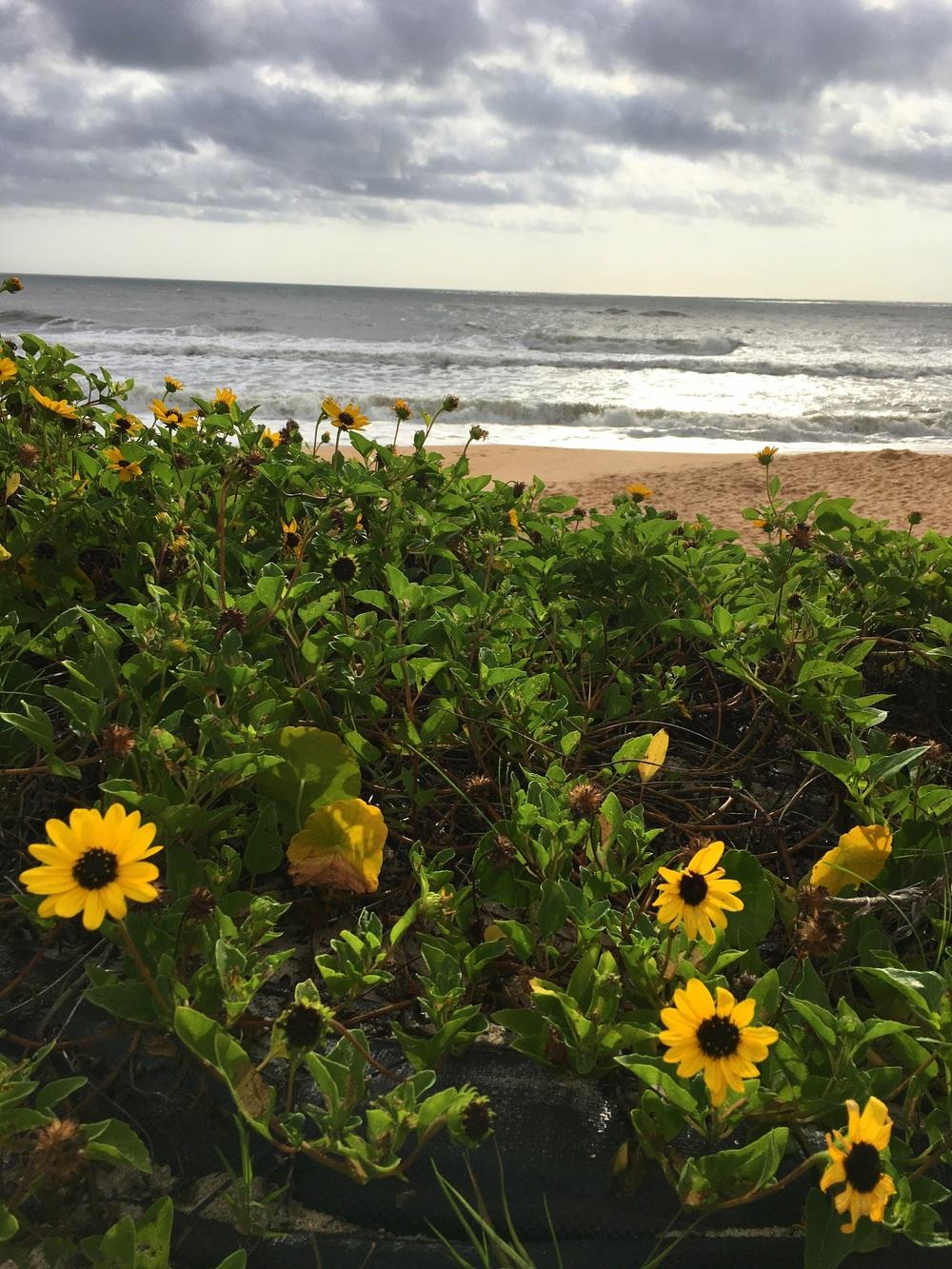
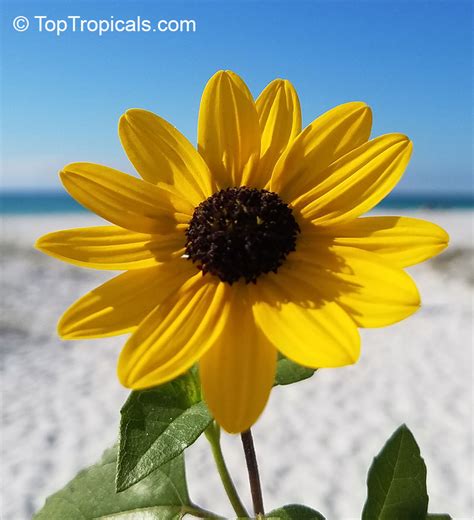
- Confirm the intended Helianthus debilis form and select local or regionally appropriate material when native restoration value is important.
- Reject stretched, shaded plants, waterlogged media, extensive stem dieback or plants with active mite or chewing-insect pressure.
- Plan quantities around the mature spread rather than installing at ornamental-annual spacing.
Installation guide
Planting for establishment
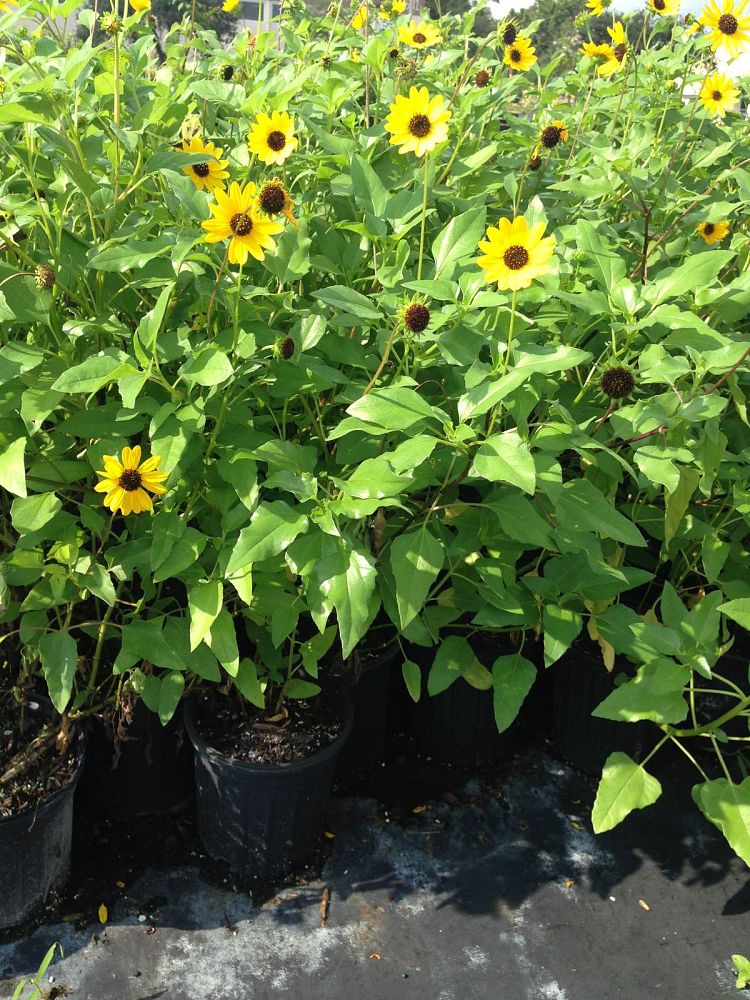
- Plant in full sun and fast-draining sand or sandy landscape soil; avoid low, saturated beds and heavy irrigation zones.
- Space approximately two to three feet on center for massing, adjusting for the desired time to coverage and the selected form’s vigor.
- Keep spreading stems clear of sidewalks, drainage structures and neighboring slow-growing plants that could be overwhelmed.
- Set at the original nursery depth, mulch lightly if needed for establishment and keep mulch away from the crown and trailing stems.
- Use on protected dune and coastal sites only where local regulations and restoration plans permit planting.
Final planting depth, root-ball preparation, staking and irrigation should respond to the actual root system, soil, drainage and exposure observed on site.
Ongoing care
Water & fertilizer
Irrigation
Water the root ball and adjacent soil consistently during establishment, then reduce frequency as growth spreads. Established plants tolerate drought and coastal exposure well. Chronic overhead irrigation, saturated soil and dense mulch promote weak growth and decline; allow the root zone to drain between applications.
Fertilization
Dune Sunflower generally needs little supplemental fertilizer in suitable sandy soil. Excess nitrogen encourages soft, sprawling foliage at the expense of a compact flowering habit. Correct shade, overwatering and poor drainage before applying nutrients, and follow local fertilizer restrictions.
Correct technique
Pruning & trimming
- Tip-prune or lightly cut back long stems to maintain density and keep growth out of walks and adjacent plantings.
- Renovate leggy masses in stages rather than scalping the entire planting during heat or drought stress.
- Remove dead or declining patches and re-establish from healthy rooted stems where older centers become open.
- Avoid repeated tight shearing; the best appearance is a low, natural flowering mat.
Monitor before treating
Known pests & problems
Root and crown decline
Yellowing, collapse or bare centers commonly follow saturated soil, deep mulch or excessive irrigation. Improve drainage and irrigation before considering a pesticide.
Spider mites
Hot, dry stress can cause stippling, bronzing and fine webbing. Confirm mites on leaf undersides and use the least disruptive labeled response while protecting beneficial insects.
Chewing insects
Caterpillars and beetles may create holes or ragged margins. Moderate damage is usually tolerable on vigorous plants; identify the insect before treatment.
Cold dieback
Unusual freezes can burn top growth, especially in exposed sites. Wait until the risk of additional cold passes, then remove dead material and allow healthy crowns to recover.
Symptoms often overlap. Confirm the cause before applying pesticides or fertilizer, and always follow the product label.
Landscape application
Design guidance
Recommended uses
Compatible pairings
Important cautions
- Fast spread can overrun small beds, walks and slower neighboring plants without periodic edging.
- Low moisture tolerance makes it unsuitable for chronically wet soil or high-frequency irrigation zones.
- Its informal habit is not a substitute for a tightly clipped formal groundcover.
- Verify local rules before planting on regulated dunes or conservation property.
- Protect pollinators by avoiding unnecessary broad-spectrum insecticide applications.
Sage professional observationDune Sunflower is most convincing when its natural movement and spread are allowed to read as intentional. We use it in sunny, fast-draining coastal compositions where flowers, pollinator activity and resilience matter more than a rigid edge.
Reference framework
Standards & sources
Profile guidance is informed by the Florida Department of Agriculture and Consumer Services’ Grades and Standards for Nursery Plants, University of Florida IFAS horticultural guidance and Sage’s regional landscape experience.
Site conditions, product labels and professional diagnosis govern the final recommendation.