Florida nursery standards
Quality & grading
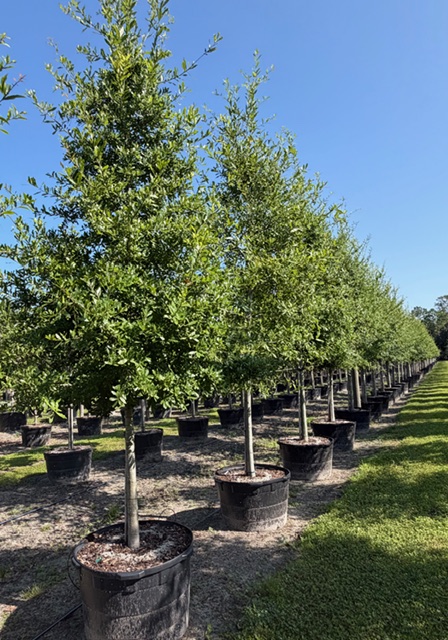
Sage recommends nursery material graded Florida No. 1 or better. The grade describes plant quality—not merely size—and should be verified together with the specified height, spread, clear trunk or container size.
- Specify Florida No. 1 or better nursery stock with one dominant leader, sound trunk taper and branches distributed around and along the trunk.
- Reject trees with circling or girdling roots, a buried trunk flare, large trunk wounds, included bark, codominant leaders or a root ball that shifts independently of the trunk.
- Inspect the root flare before acceptance. The first major structural roots should be near the surface rather than hidden beneath excess container media.
- Choose the tree for long-term structure, not simply immediate canopy density; correction of poor architecture becomes harder and more expensive as the tree grows.
Installation guide
Planting for establishment
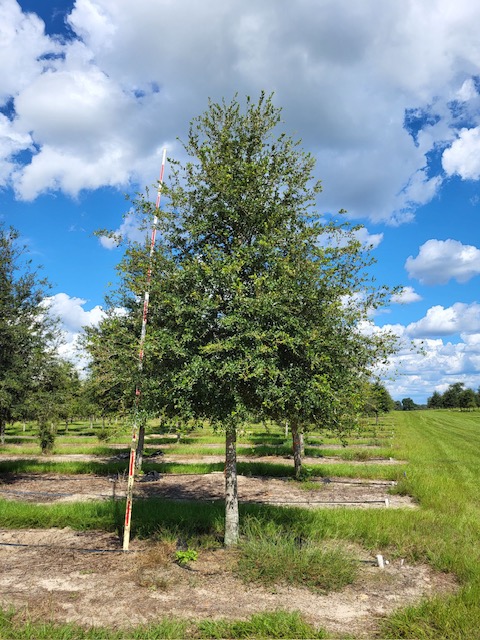
- Reserve approximately thirty feet or more between the trunk and a building when practical, with additional room preferred where the canopy cannot extend freely away from the structure.
- Keep the mature crown outside overhead utilities and provide substantial separation from pools, screen enclosures, driveways, curbs and narrow sidewalks.
- Set the root flare at or slightly above surrounding grade, keep the root ball intact, and remove materials that restrict trunk or root expansion as installation specifications require.
- Create a broad mulch zone over the root area, two to three inches deep, while keeping mulch several inches away from the trunk flare.
- Stake only when site exposure or root-ball stability requires it, use flexible attachments, and remove supports after establishment rather than allowing them to girdle the trunk.
Final planting depth, root-ball preparation, staking and irrigation should respond to the actual root system, soil, drainage and exposure observed on site.
Ongoing care
Water & fertilizer
Irrigation
Water the complete root ball and adjacent soil deeply during establishment, adjusting frequency for root-ball size, rainfall, drainage and season. The original root ball can dry while surrounding soil remains moist, so verify moisture in both locations. Gradually widen the wetted area as roots expand and reduce frequency once sustained growth and rooting confirm establishment. Mature live oaks tolerate drought well, but prolonged drought, construction damage and compacted soil can combine to produce delayed decline.
Fertilization
Do not fertilize automatically at planting. Base any nutrient program on visible growth, soil conditions and diagnosis. Established live oaks in maintained landscapes often receive sufficient nutrients from recycled leaves and surrounding management. If a confirmed deficiency or poor growth justifies fertilizer, use a slow-release landscape product at the labeled rate without concentrating material against the trunk or over damaged roots.
Correct technique
Pruning & trimming
- Begin structural pruning while the tree is young, favoring one dominant leader and well-spaced scaffold branches with strong unions.
- Reduce or remove competing leaders and narrow attachments early with small, correctly placed cuts rather than waiting until large limbs require removal.
- Never top, lion-tail or remove excessive interior foliage; these practices can create weak regrowth and unbalanced wind loading.
- Use reduction cuts where clearance is needed and avoid repeated canopy conflict by selecting adequate planting distance at the outset.
- Protect roots during construction. Trenching, grade changes, soil storage and equipment compaction beneath the canopy can initiate decline that appears years later.
- Have mature-tree pruning, storm damage and risk conditions evaluated by an ISA Certified Arborist.
Monitor before treating
Known pests & problems
Oak leaf galls
Round, blistered, woolly or button-like growths are commonly produced by tiny gall wasps or midges. Most leaf galls are cosmetic and do not justify insecticide treatment. Confirm the cause, preserve natural enemies and support overall tree health.
Defoliating caterpillars
Forest tent caterpillars and other native caterpillars can temporarily thin the canopy. Healthy mature oaks usually recover. Identify the insect and estimate defoliation before treatment; broad canopy spraying can harm non-target butterflies and beneficial insects.
Scale insects and aphids
Honeydew, sooty mold, attached bumps or clusters on twigs may indicate sap-feeding insects. Confirm a live population rather than treating residue alone, correct irrigation or root stress and protect predators before considering a labeled product.
Mistletoe
Leafy evergreen clusters within an otherwise bare winter canopy indicate mistletoe. Light infestations are often tolerated; extensive growth can add stress or branch weight. Removal requires pruning the affected branch back to a suitable union because cutting only the visible shoot does not remove the internal attachment.
Root and trunk decay
Mushrooms or conks at the base, cavities, cracks, dead scaffold limbs, thinning canopy or abnormal lean require professional inspection. Fungicides do not restore decayed structural wood. Protect the root zone and have risk evaluated by an ISA Certified Arborist.
Symptoms often overlap. Confirm the cause before applying pesticides or fertilizer, and always follow the product label.
Landscape application
Design guidance
Recommended uses
Compatible pairings
Important cautions
- This is not a tree for narrow foundation beds, small pool enclosures, restricted parking islands or locations beneath overhead utilities.
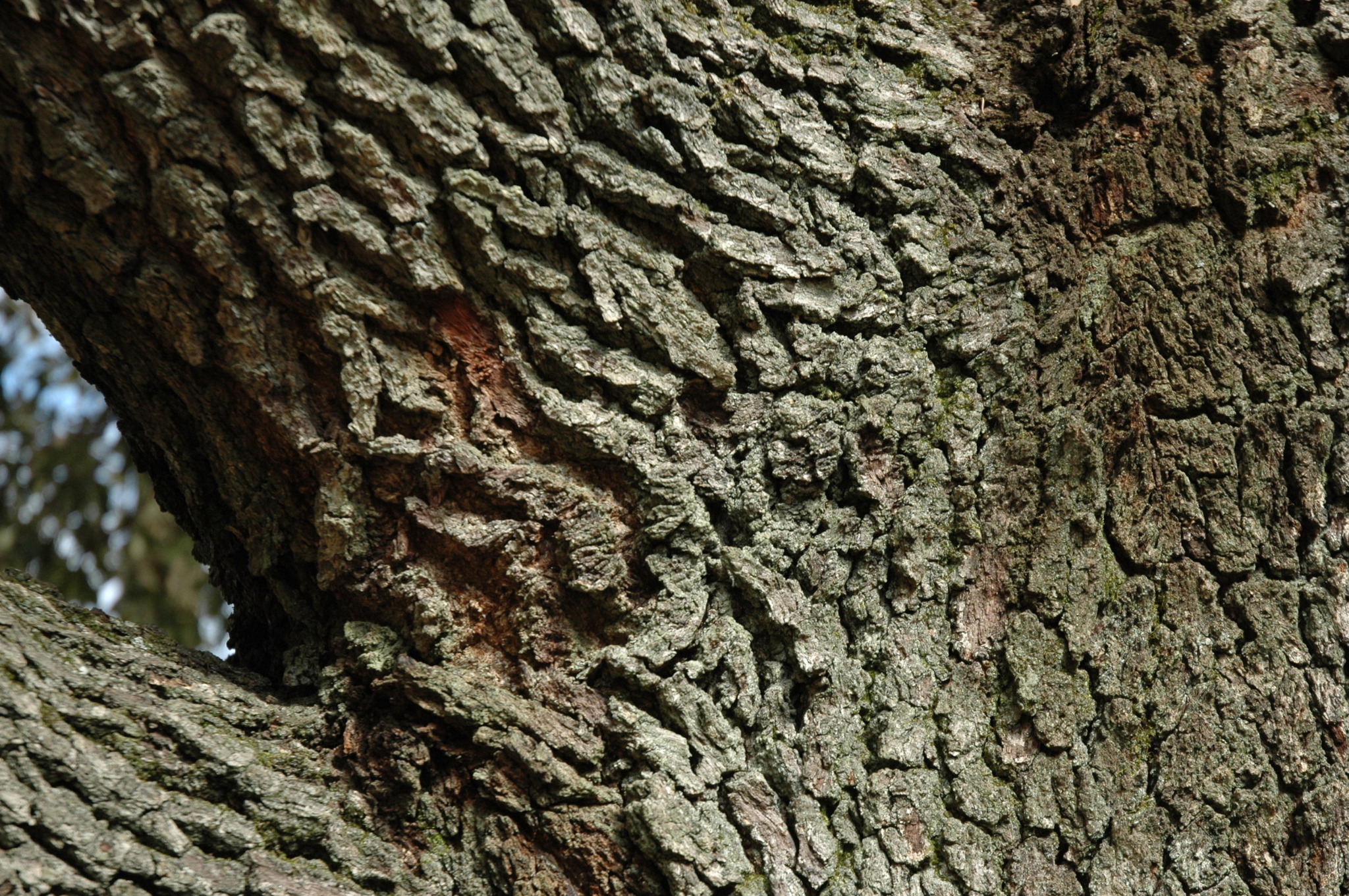
- Surface roots can lift confined pavement and curbing as the tree matures; adequate soil volume and separation are essential.
- High wind resistance depends on healthy roots, sound branch structure and balanced canopy management—not species name alone.
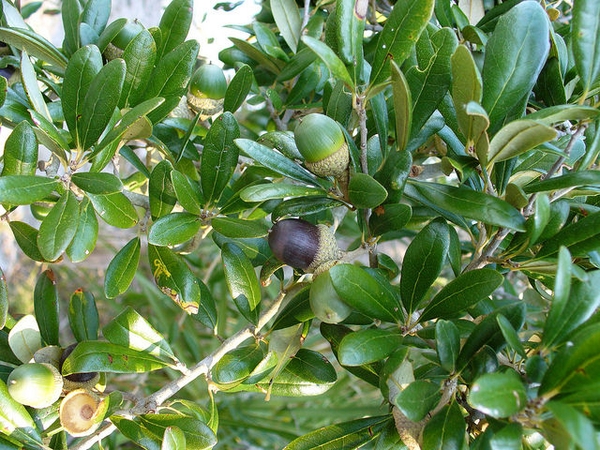
- Acorns, leaves and small twigs create seasonal litter and should be anticipated near pools, walks and vehicle areas.
- Do not apply pesticide for galls, caterpillars or sooty mold until the active cause and treatment need are confirmed.
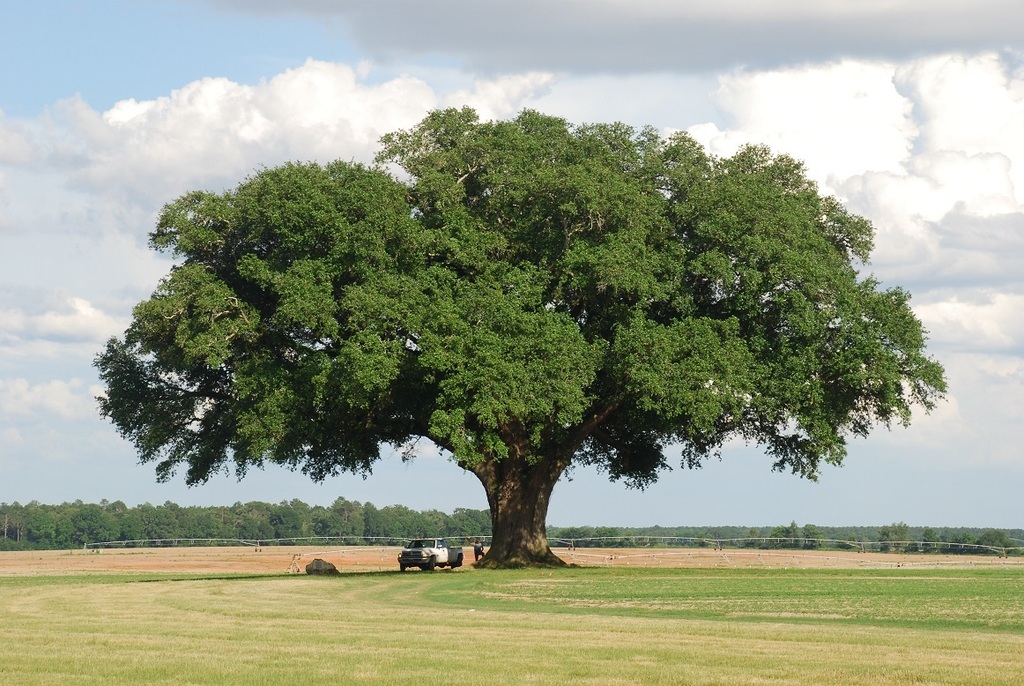
Sage professional observationSouthern Live Oak should be planted for the landscape it will become, not the size delivered from the nursery. With enough space, an undisturbed root zone and disciplined early structural pruning, it can become a century-scale asset rather than a recurring clearance problem.
Reference framework
Standards & sources
Profile guidance is informed by the Florida Department of Agriculture and Consumer Services’ Grades and Standards for Nursery Plants, University of Florida IFAS horticultural guidance and Sage’s regional landscape experience.
Site conditions, product labels and professional diagnosis govern the final recommendation.